
Minimally invasive dentistry · Bornova, Izmir



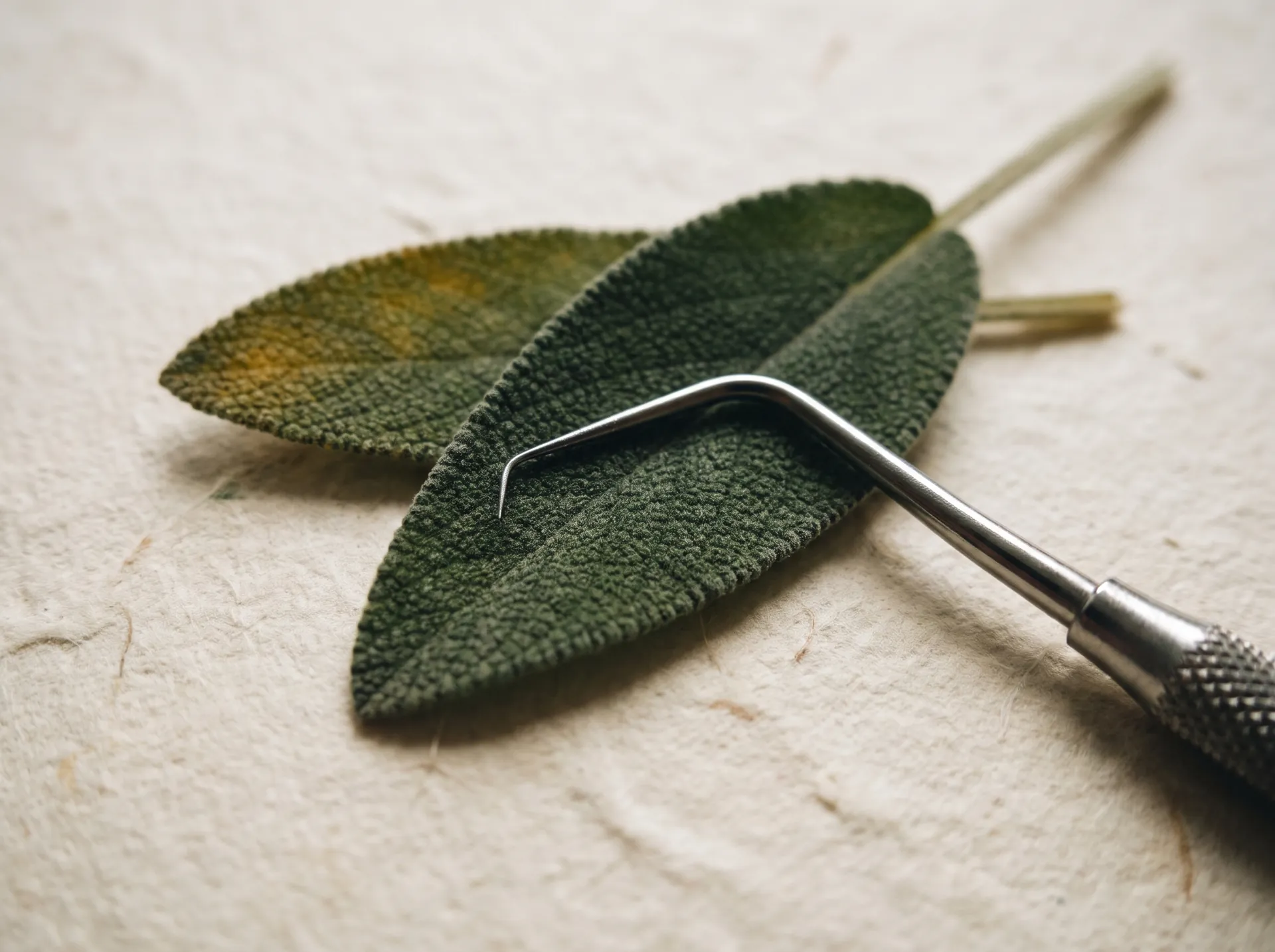
A natural smileSage sprigs, a wooden toothbrush and a dental mirror on paper
In daylightCloves in a brass mortar, dried chamomile and a ceramic crown sample
Decided togetherMiswak sticks tied with twine, mint leaves and dental floss
Collected at: Bornova, IzmirOpen today: Monday–Friday 09:00–19:00
 Enamel
Dentine
Pulp (nerve)
Gum
Jaw bone
Early decay
Wide cavity
Biocompatible repair
We leave healthy tissue alone and treat only what needs treating.
Scroll and watch what changes in the tooth on the plate.
-
A tooth is a living structure in layers
Hard enamel outside, dentine beneath, and at the centre the pulp with its nerves and vessels. Each layer adds to the life of the tooth, and lost enamel never grows back.
-
Problems usually start small
A fine groove on the biting surface can start to decay unnoticed. Regular check-ups and digital imaging let us catch this stage.
-
The conventional approach removes more
In a classic filling preparation, healthy tissue around the decay may be opened up widely so that the material can hold.
-
We remove only the diseased tissue
Under magnification, with fine instruments and ozone where useful, only the decayed part is removed. Healthy enamel and dentine stay where they are.
-
The repair blends with the tooth
A small repair is made with metal-free, bonded ceramic or composite. The tooth returns to work while keeping most of its own tissue.
Treatment sheets
each treatment comes with a plant
With every treatment we ask the same question: is this really necessary, and can we reach the same result with less?

Biocompatible Ceramic Fillings
Metal-free, natural-looking ceramic and composite restorations that bond to the tooth and need less drilling. Matricaria chamomillaChamomile 45–90 minutes · 1–2 visits
Biocompatible Implants
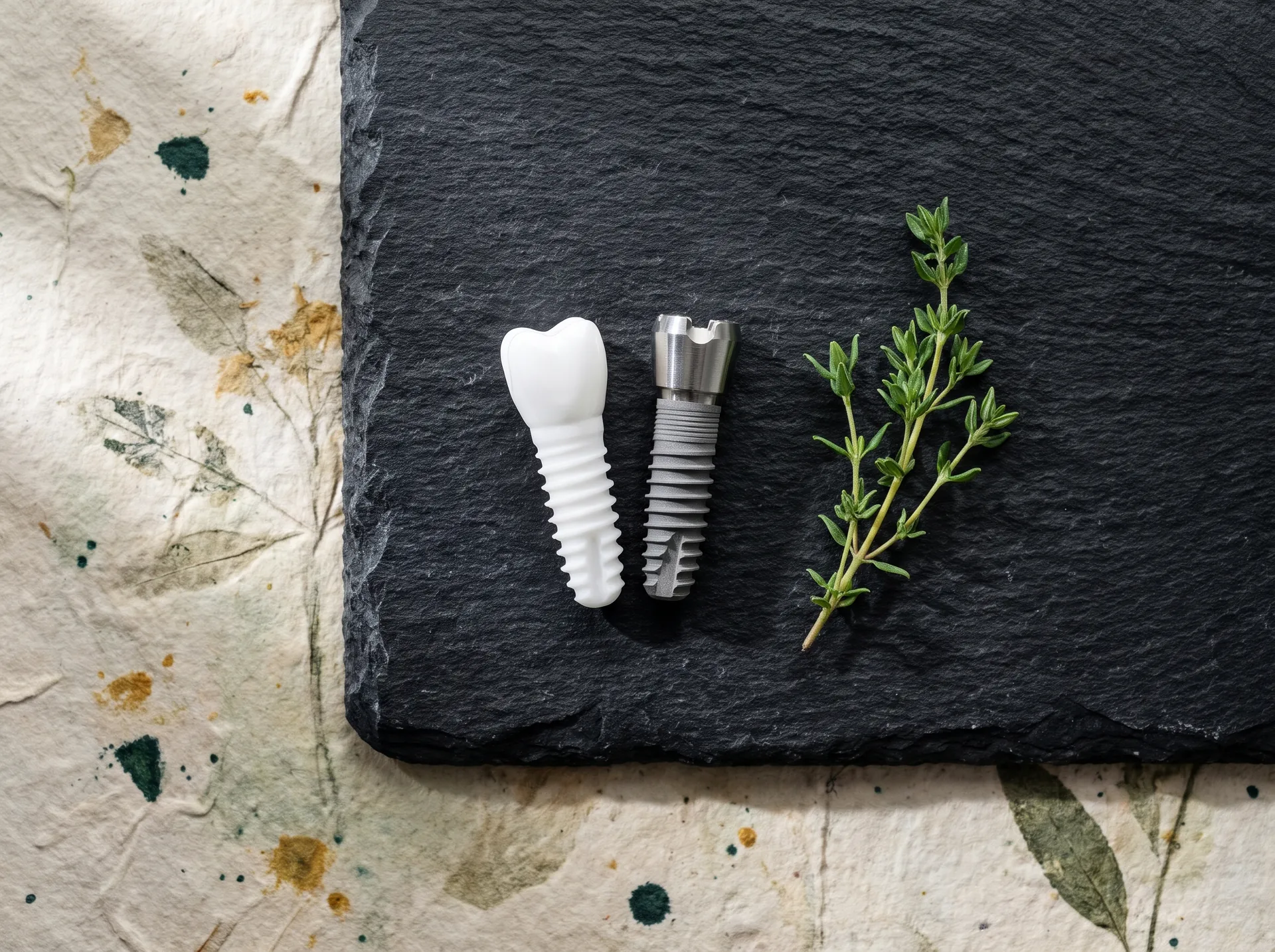
Titanium or metal-free zirconia implants for missing teeth, with digital planning and low-trauma surgery. Syzygium aromaticumClove Surgery 45–90 minutes · 3–4 visits over 3–6 months

Gum Treatment
Non-surgical deep cleaning and a personal care programme for bleeding, receding or sensitive gums. Salvadora persicaMiswak 45–60 minutes per visit · 2–4 visits
Smile Design
A personal plan that considers tooth shape, colour and alignment together with your face, starting from the least cutting. Syzygium aromaticumClove Planning 60 minutes · 2–5 visits depending on plan

Children’s Dentistry
Examinations and treatment that help children get used to the dentist without fear, putting prevention first. Mentha × piperitaPeppermint 20–40 minutes · Check-up every 6 monthsResults
you can trust
Every treatment is planned with your general health in mind. From the choice of material to the technique, we think first about preserving the natural structure of your tooth; we explain the options openly and decide together.
Contact us


What does treating with less look like in real clinical situations?

Biting surface
Early decay in a molar
An adult in their thirties attending regular check-ups
- Reason for visit
- Brief twinges with cold drinks.
- Finding
- Early decay limited to enamel in a deep groove on the biting surface.
- Chosen approach
- The groove was disinfected with ozone and sealed with flowable composite. No cutting was done.
Preserved: All enamel and dentine.
1 visit · 25 minutes
Between teeth
Hidden decay between two teeth
An adult in their forties who drinks coffee
- Reason for visit
- No complaint; came for a routine check.
- Finding
- A digital X-ray showed a small lesion on the contact surface between two molars.
- Chosen approach
- The classic method would open the tooth widely from above. Instead the decay was removed through a small side access and repaired with composite.
Preserved: The biting surface and marginal ridge.
1 visit · 50 minutes
Front tooth
A chipped front tooth
An adult in their twenties who chipped a tooth during sport
- Reason for visit
- A small piece had broken off the edge of a front tooth; a crown had been suggested.
- Finding
- The fracture was limited to enamel and did not reach the nerve.
- Chosen approach
- Instead of a crown, the tooth was rebuilt in layers with composite bonding, without cutting.
Preserved: The whole tooth surface; no preparation for a crown was needed.
1 visit · 60 minutes
Gums
Gums that bleed when brushing
An adult in their fifties who had recently stopped smoking
- Reason for visit
- Bleeding when brushing and bad breath.
- Finding
- Gum pockets of 4–5 mm around the back teeth.
- Chosen approach
- Non-surgical deep cleaning in two visits, with ozone-supported care and interdental brush training.
Preserved: The supporting bone; no surgery was needed.
3 visits · 8 weeks
Missing tooth
A missing tooth in a patient with metal sensitivity
An adult in their forties with a known nickel allergy
- Reason for visit
- Looking for a lasting solution for a molar removed years ago.
- Finding
- Bone volume was sufficient and the neighbouring teeth were healthy.
- Chosen approach
- Rather than cutting the neighbours for a bridge, a metal-free zirconia implant was planned.
Preserved: Both neighbouring teeth, untouched.
4 visits · 4 months
Alignment
Crowded front teeth
An adult in their thirties considering veneers
- Reason for visit
- Self-conscious smiling because of crowded front teeth.
- Finding
- The teeth were sound; the issue was only alignment.
- Chosen approach
- Seven months of clear aligners followed by light whitening, instead of veneers.
Preserved: The enamel of six front teeth; no veneer preparation.
7 months · 6 check-ups
These anonymous examples are drawn from situations we often see in our clinic and are for information only. Every treatment is planned individually after an examination, and results vary from person to person.
Meet the dentist who will treat you before your appointment.
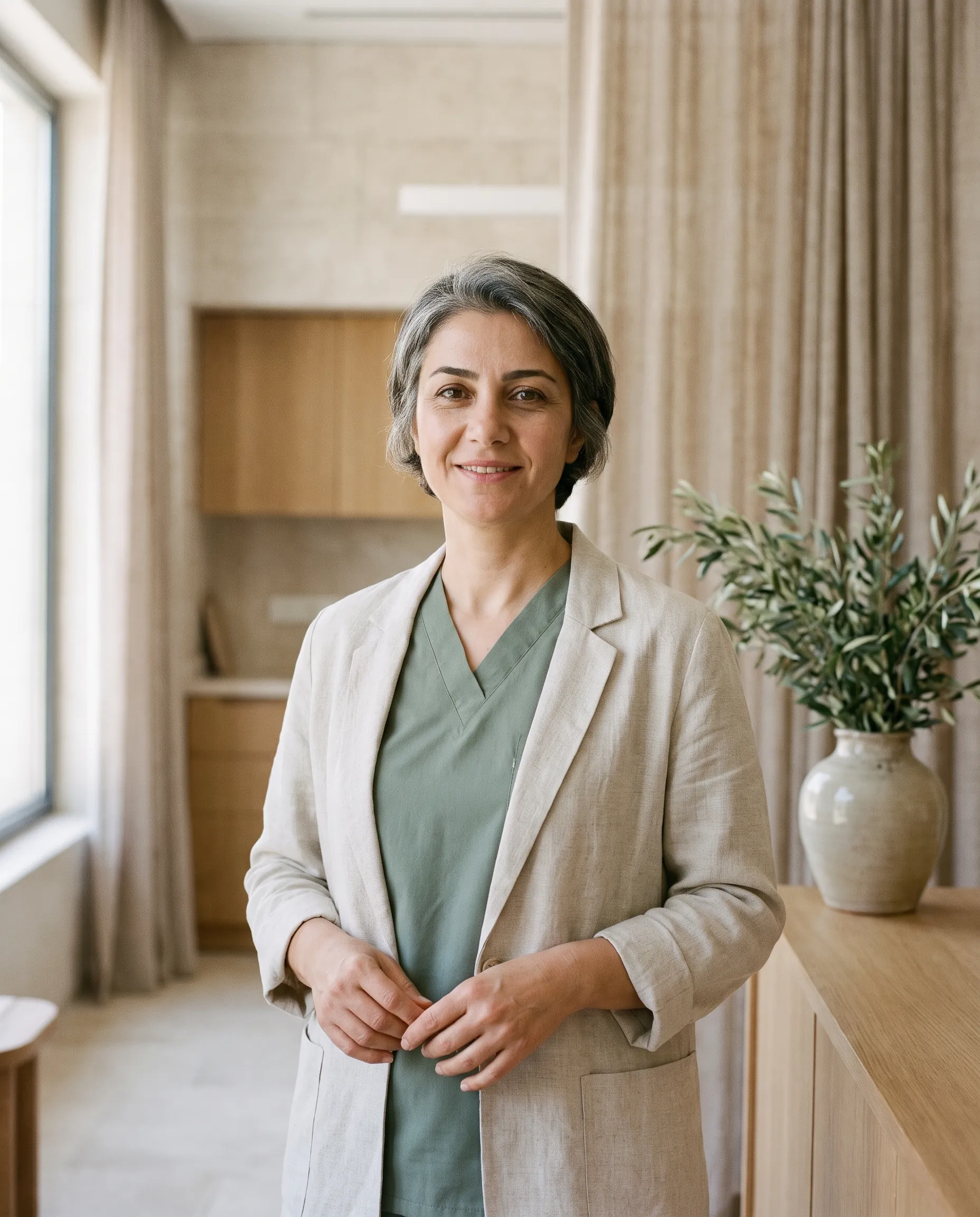 “Before I touch a tooth, I look for a way not to.” Dt. Pınar YılmazMinimally invasive and restorative dentistry
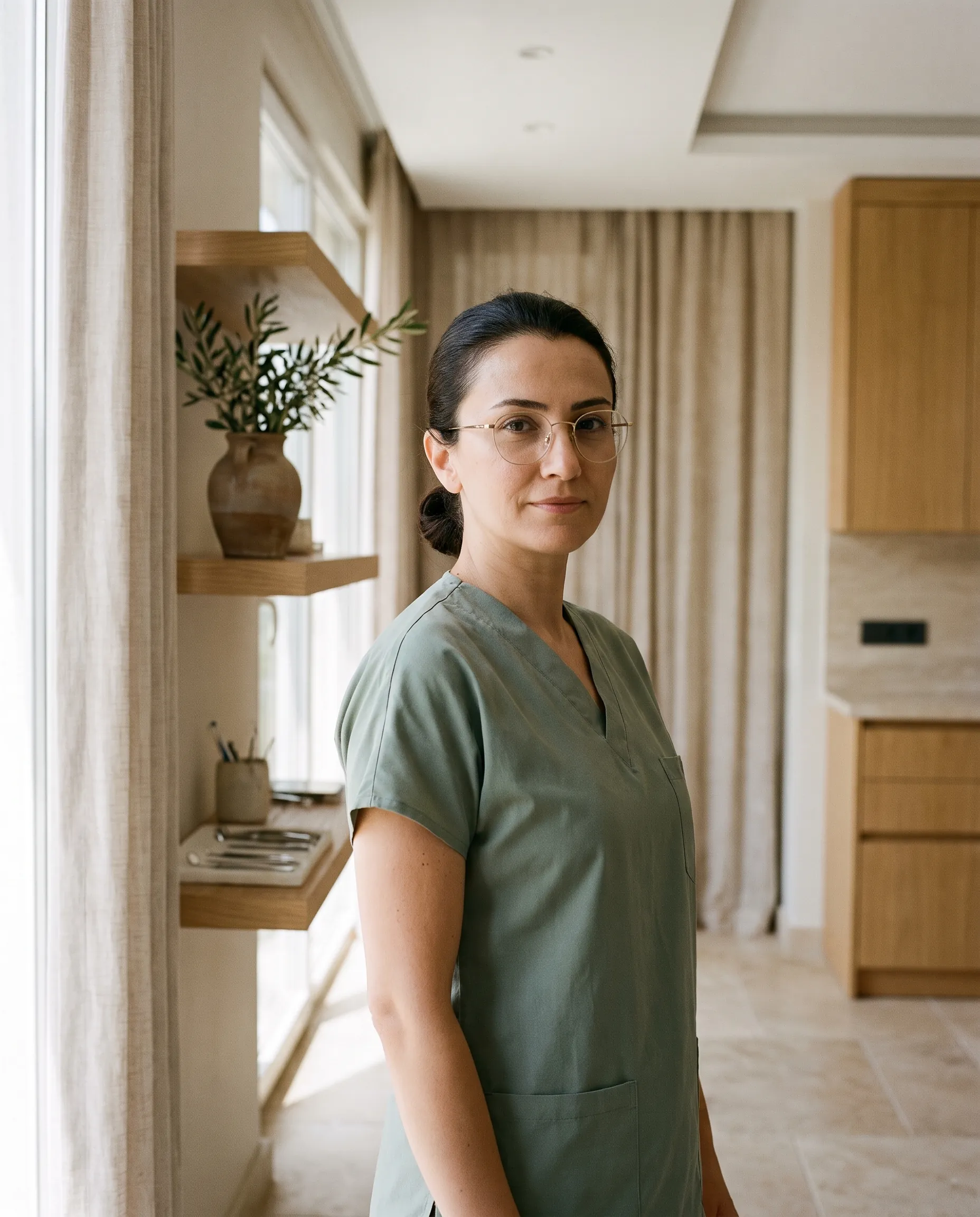 “A healthy tooth stands on healthy gums.” Dr. Dt. Elif KayaPeriodontics and ozone therapy
 “Good surgery reaches the right place through the smallest incision.” Uzm. Dt. Emre ŞahinOral and maxillofacial surgery
What happens at your first visit?
We do not rush the first appointment. We set aside about 45 minutes, listen first and then look together.
Listening
We talk about your concern, previous treatments, allergies and medication.
Examination and imaging
We record the current situation with an intraoral camera and, if needed, a low-dose digital X-ray.
Options
We review the findings on screen together and explain the options, starting with the least invasive.
A written plan
You receive a written plan with duration, number of sessions and fees, and time to decide.
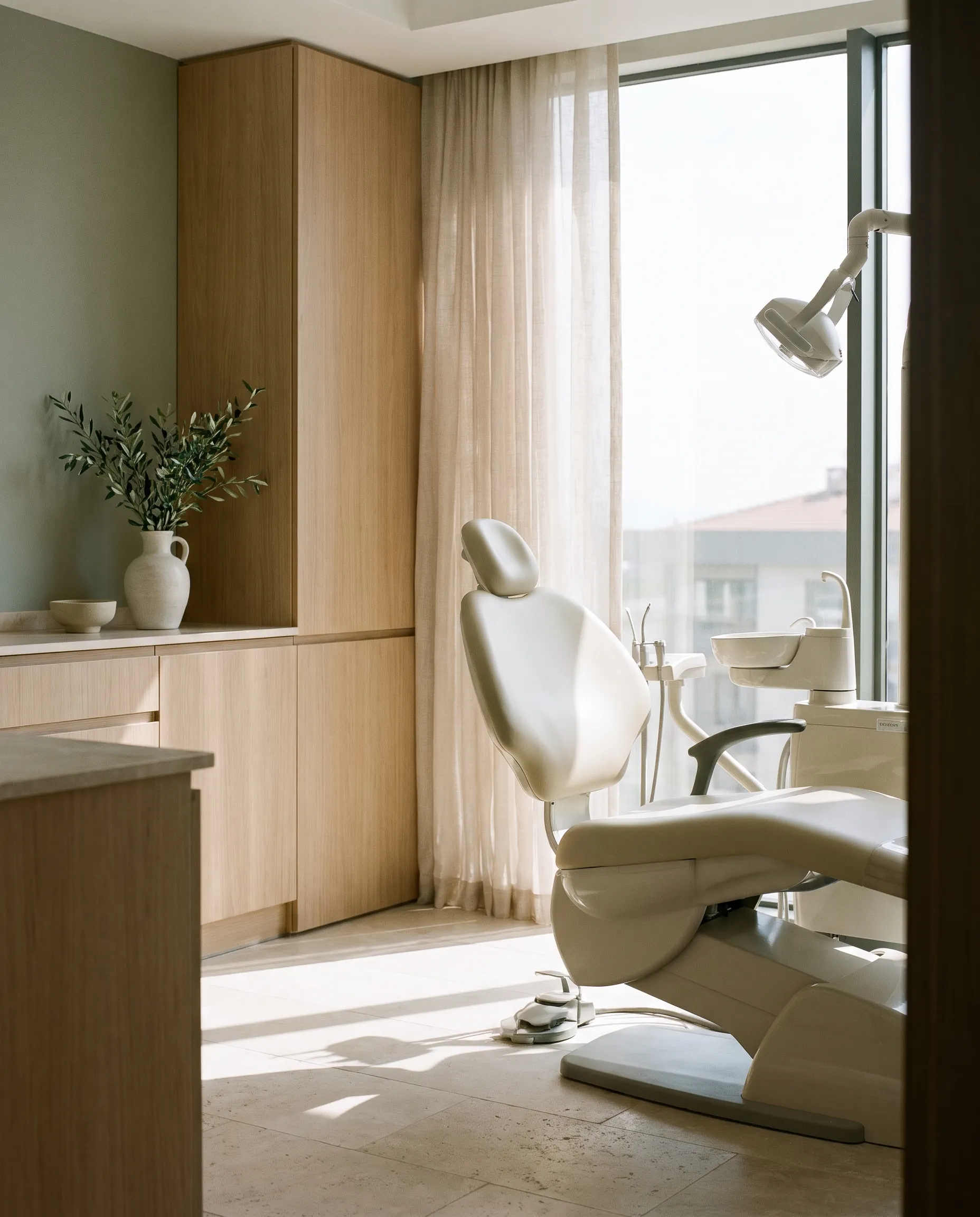
A calm clinic full of daylight.
We are in a two-storey building on a tree-lined street in Bornova, with two treatment rooms, a separate sterilisation unit and a digital impression system.
Tour the clinic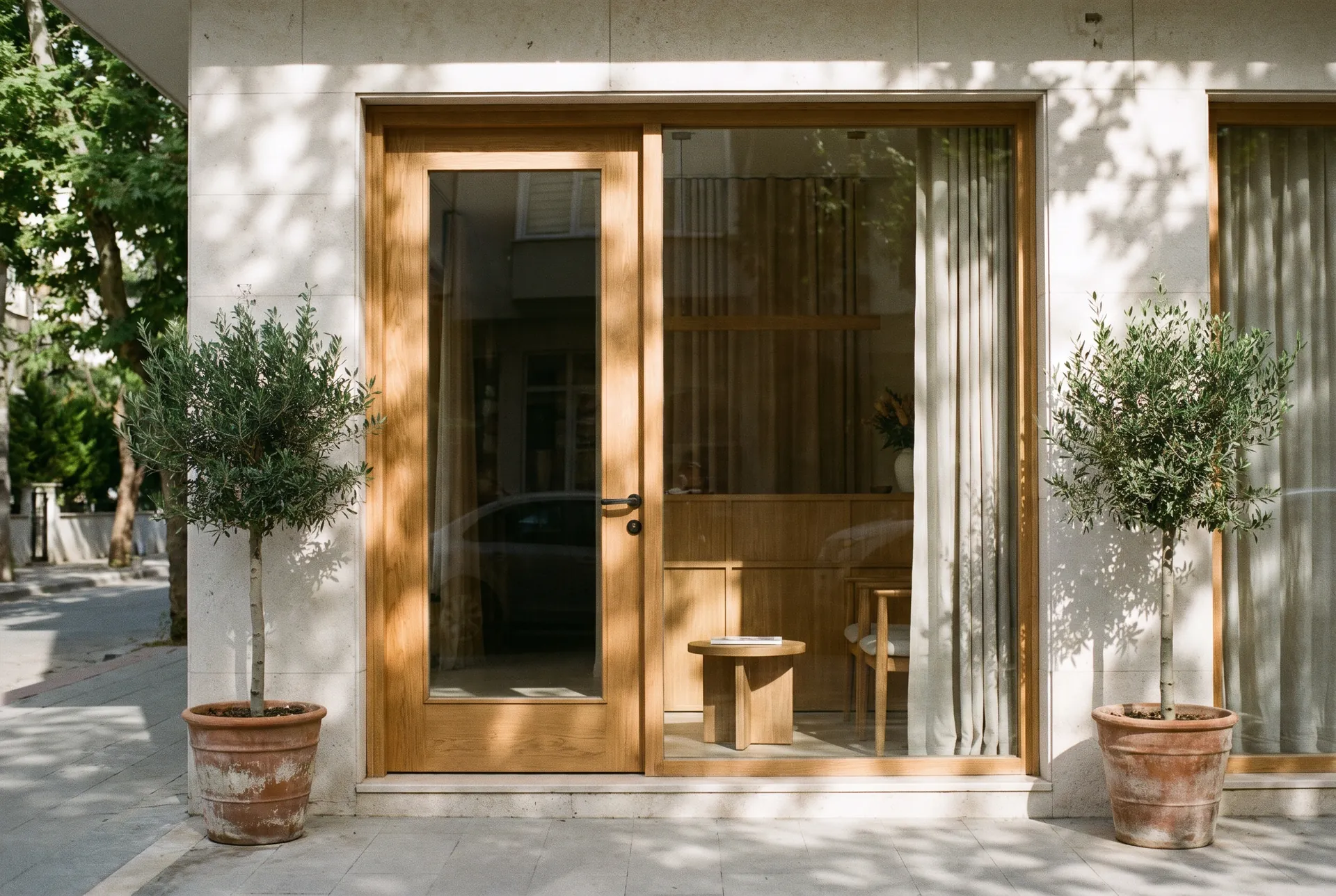



Frequently asked questions
The most common questions about the minimally invasive approach, materials and your first visit.
What is minimally invasive dentistry?
An approach that treats only diseased tissue while preserving as much healthy tooth as possible. Early diagnosis, remineralisation and bonded materials are its foundations.
Which treatments can be done minimally invasively?
Fissure sealants, air abrasion, ozone, composite bonding and early decay treatment can all follow this approach. Each case is assessed at the examination and the area treated is kept to a minimum.
Is the minimally invasive approach used for every patient?
With every treatment we first look for ways to preserve existing tooth tissue. Conventional methods are used only where minimal intervention is not suitable.
What does biocompatible material mean?
Materials that the body tolerates well, with a low risk of allergic reaction and no release of metal ions. We use full ceramic, glass ceramic and composite.
What should I expect at the first examination?
A thorough oral examination, with digital X-rays and photos if needed. The treatment plan is explained clearly and priorities are agreed together. It takes about 45 minutes.
When is ozone useful?
It supports the main treatment in early decay, gum inflammation, root canal disinfection and sensitive teeth. It is not a treatment on its own.
Ask us directly: +90 232 555 47 10 All questions
Writing on natural dental health
October 26, 2026
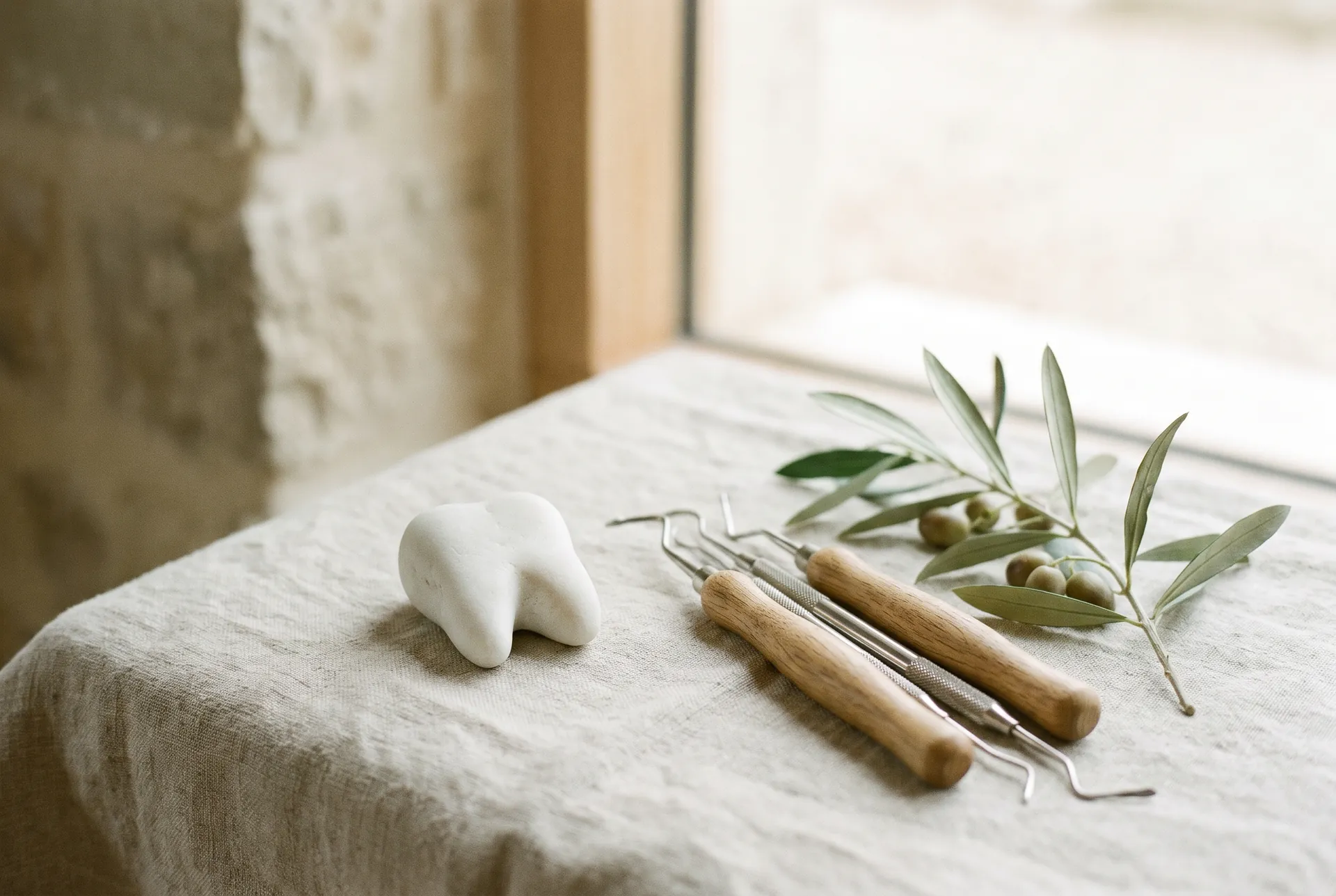
What is minimally invasive dentistry? A guide to preserving your natural teeth
Minimally invasive dentistry removes decay while leaving healthy tissue in place. We explain its principles and how it differs from the conventional approach.

October 15, 2026
Biocompatible dental materials: ceramic, composite and zirconia compared
October 4, 2026
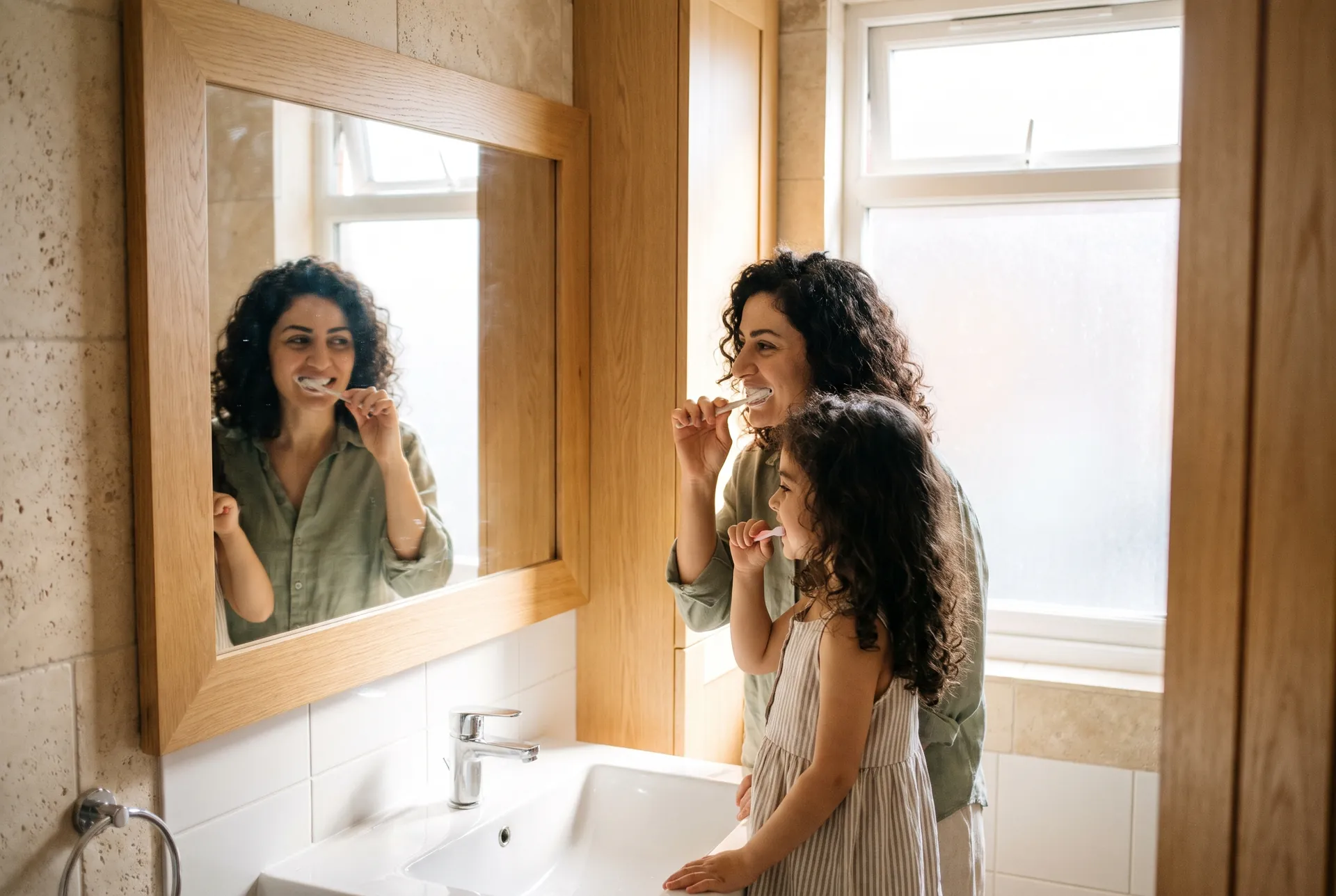
Children’s dental health: the first visit, brushing and common mistakes
At the first visit, we listen to you first.
Choose a day and time range that suits you; our team will call you the same day to confirm your appointment.